How to get better at reading rhythms?

Hey everyone! Today, we’re diving into a topic that I know many musicians struggle with: reading and counting rhythms. Let’s be real—learning to count rhythms accurately can be one of the most challenging parts of music, especially for those of us who feel confident in other areas like scales, chords, or music theory. If you’re […]


Continue reading →


How Rwiz AI Can Revolutionize Review Management for Small Business Owners

In today’s fast-paced digital landscape, maintaining a strong online presence is crucial for any small business. Customer feedback plays a significant role in shaping your business reputation, and online reviews can make or break your brand. However, managing reviews across multiple platforms is often a time-consuming, overwhelming task that can lead to missed opportunities, customer […]


Continue reading →

Hidden Patterns in Folk Songs: Unveiling the Evolution of Music

As a music teacher and lifelong learner, I’ve always been fascinated by the intricate relationship between music and human culture. Recently, I came across a study that shed light on the hidden patterns in folk songs and how they reveal the evolution of music across different cultures. This got me thinking about the universal nature […]


Continue reading →

Creating Emotional Impact with Plagal and Deceptive Cadences

Music, at its core, is about creating and resolving tension. As a composer or songwriter, you may have come across cadences and their powerful role in shaping the emotional tone of a piece. Whether you’re writing a classical piano composition or producing the next hit pop song, understanding cadences can give your music a deeper […]


Continue reading →

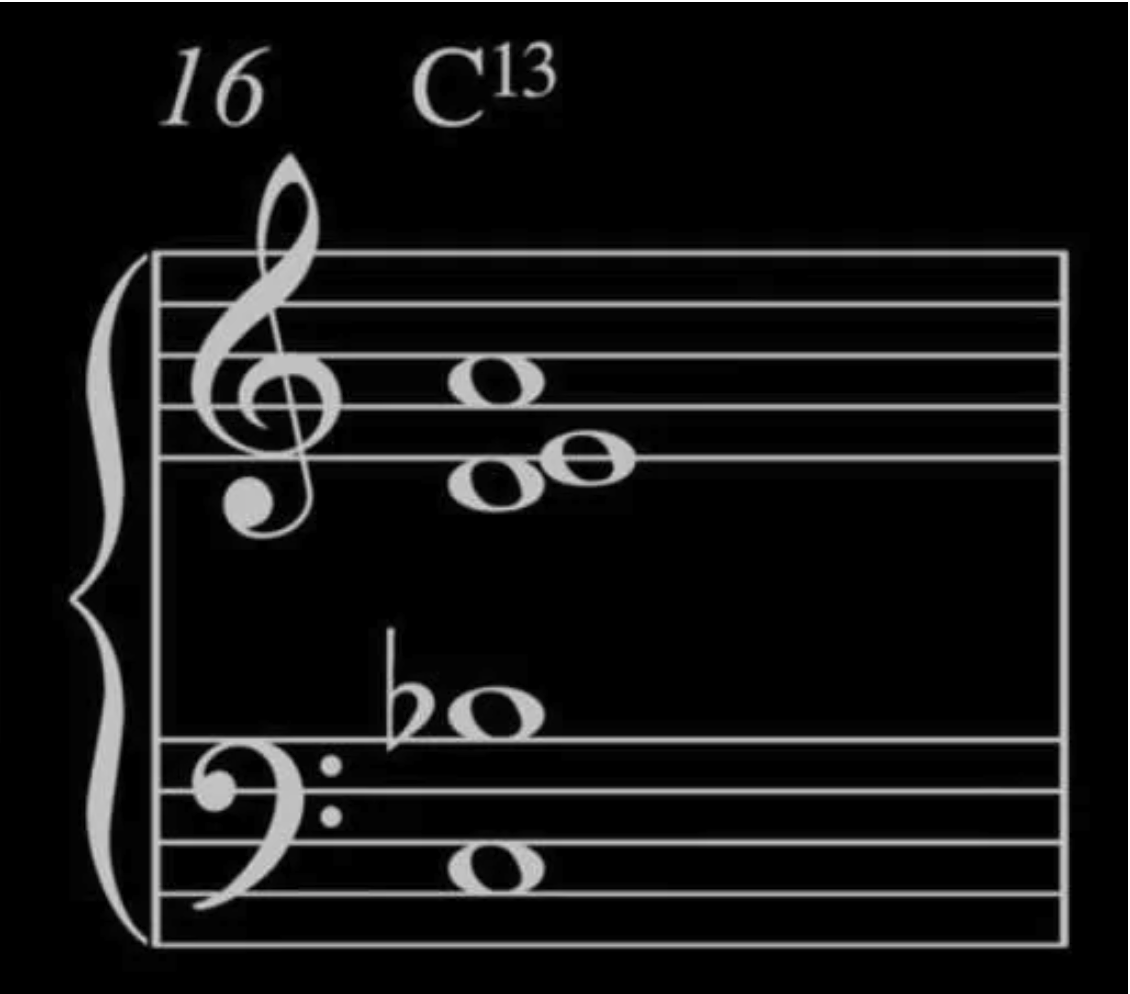
Decoding Complex Chords Like a Pro with Piano Companion

Piano Companion is an incredible tool that can transform anyone’s journey into music theory, even if, like me, you have no idea where to start with a complex chord progression. Recently, my girlfriend, who is an accomplished keyboard player, sent me a screenshot with the message: “Have fun finding out what that means.” The screenshot […]


Continue reading →

How to learn partimento without advanced piano technique?

As a relatively new composer deeply inspired by the late Romantic style, I’ve recently found myself intrigued by partimento, an instructional technique used to teach composition in the 17th and 18th centuries. Although I’m primarily a violinist, I’ve dabbled in piano and can work my way through pieces like Chopin’s C# minor Waltz with enough […]


Continue reading →