Quick Answer
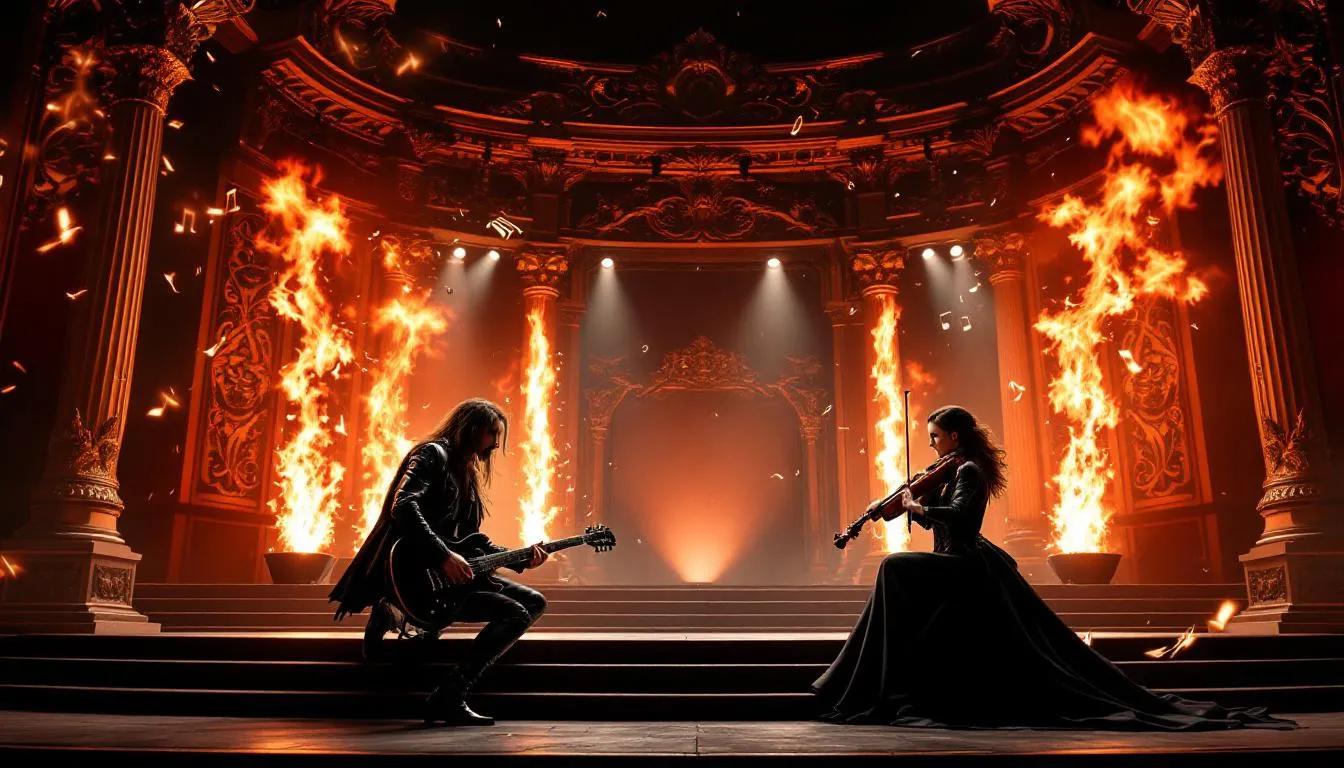
Metal and classical music may appear vastly different at first glance, yet they share a profound connection rooted in complexity, virtuosity, and emotional expression. Both genres convey intense feelings through intricate compositions and skillful performances, revealing their surprising similarities.
In essence, metal and classical music are united by their shared emphasis on technical prowess and emotional depth.
Let’s explore the technical aspects that link these two genres, uncovering how their structures and elements align in unexpected ways.
What Are the Technical Similarities?
When examining the technical elements of metal and classical music, their shared use of complex structures stands out. Both genres often bypass the typical verse-chorus format of contemporary styles, opting for intricate arrangements that feel like musical journeys. Consider a metal track with multiple movements, akin to a classical symphony that leads the listener through a rollercoaster of sound and emotion.
In both genres, time signatures frequently defy straightforward patterns. While most pop music adheres to a comfortable 4/4 beat, metal and classical compositions manipulate rhythm unpredictably, much like a cat playing with yarn. It’s common to encounter a metal piece that shifts unexpectedly, reminiscent of the rhythms found in a Beethoven sonata or a Bartók string quartet. This complexity demands high technical skill and precision.
- Examples: Metallica’s “Master of Puppets” with its shifting dynamics and Iron Maiden’s “Rime of the Ancient Mariner” mirror the intricate patterns found in Vivaldi’s “The Four Seasons” or Bach’s fugues.
- Virtuosity: Both genres require exceptional virtuosity. Whether it’s Yngwie Malmsteen shredding on guitar or Itzhak Perlman mastering the violin, these musicians exhibit breathtaking skill.
- Instrumentation: Metal bands often incorporate orchestral elements, while classical compositions sometimes employ electric guitars or drums, blurring the lines between the two.
- Notable Figures: From classical giants like Mozart and Tchaikovsky to metal legends such as Tony Iommi and Randy Rhoads, technical mastery is a common thread.
Understanding these technical similarities deepens our appreciation of how these genres have evolved. Examining their historical influences further reveals how these seemingly distant musical worlds are interconnected.
How Do Historical Influences Compare?
The historical influences of metal and classical music reveal a fascinating tapestry of shared roots and evolutionary paths. Classical music, with origins stretching back to the Medieval and Renaissance periods, laid the groundwork for structured musical complexity. Its evolution through the Baroque, Classical, and Romantic eras introduced concepts like thematic development, which found a new home in metal.
Take a historical journey: The Baroque era, with maestros like Bach and Handel, emphasized intricate counterpoint and harmonic depth, traits embraced by metal bands like Dream Theater and Opeth in their elaborate compositions. The Romantic era, celebrated for its emotional intensity and expressive freedom, resonates in the heart-thumping riffs of bands like Metallica, who channel the spirit of composers such as Beethoven and Wagner.
Classical composers have profoundly influenced metal artists. Beethoven’s dramatic flair and rebellious spirit inspire countless metal musicians to push boundaries and explore profound musical storytelling. Composers like Paganini, renowned for virtuosic violin techniques, have left their mark on guitar legends such as Steve Vai and Eddie Van Halen, who strive for similar technical brilliance.
Specific examples include Ritchie Blackmore of Deep Purple, who cites Bach as an influence, and Metallica’s orchestral arrangements, drawing inspiration from classical compositions. These connections show how classical music has not only influenced metal’s evolution but has become integral to its identity.
Exploring further, it’s intriguing to consider the cultural factors that have contributed to this convergence of genres.
What Cultural Factors Bridge the Gap?
Cultural factors significantly bridge the gap between metal and classical music. Both genres excel at weaving intricate themes and storytelling into their compositions. Metal often delves into tales of fantasy and mythology, echoing the grand narratives found in classical operas and symphonies. Whether it’s Iron Maiden singing about epic battles or Wagner composing operas filled with gods and heroes, storytelling is a shared passion.
This thematic exploration taps into the emotional depth and narrative techniques both genres excel at. Metal and classical pieces transport listeners to different worlds, evoking powerful emotions. I vividly recall listening to Nightwish’s album “Imaginaerum,” feeling like embarking on an imaginative journey, much like Tchaikovsky’s “The Nutcracker” draws audiences into a magical realm.
Subcultural movements also unite these genres. Both metal and classical music have dedicated fan communities celebrating musical complexity and depth. These communities often overlap, with fans appreciating the technical brilliance and emotional intensity of both styles. I once attended a metal concert where the opening act was a classical string quartet performing metal covers—a perfect example of how these fan bases appreciate the crossover.
Cross-genre collaborations and covers further demonstrate this cultural blending. Bands like Apocalyptica, known for their cello renditions of Metallica songs, exemplify how artists from each genre can find common ground and create something uniquely captivating. This cultural exchange enriches both genres, offering fresh perspectives and fostering mutual appreciation.
Understanding these cultural connections sets the stage for appreciating the shared emphasis on technical skill, leading us to explore why virtuosity is so crucial in both metal and classical music.
Why Is Virtuosity Important in Both Genres?
Virtuosity is the dazzling element that elevates both metal and classical music beyond mere sound into an art form. It centers on technical mastery. In both genres, musicians are often at the pinnacle of their craft, possessing technical skills that leave audiences in awe. Consider guitarists like Joe Satriani or violinists like Jascha Heifetz—their ability to execute complex passages with precision and flair is magical.
In both metal and classical music, solos and improvisation are pivotal. A classical pianist might transform a cadenza into a personal showcase, while a metal guitarist might unleash a solo that leaves the crowd breathless. Both highlight the musician’s creativity and technical prowess, weaving personal expression into performances.
The dedication required for such virtuosity is immense. I’ve watched friends spend countless hours perfecting tricky guitar riffs, much like a violinist laboring over a challenging concerto. This relentless practice isn’t just about perfecting notes; it’s about pushing boundaries and discovering new ways to express emotions through music.
Technical skill enables musicians to convey deep feelings, transforming notes into narratives and rhythms into emotional journeys. Whether it’s the haunting sorrow of a metal ballad or the jubilant triumph of a classical symphony, technique and emotion intertwine, creating a powerful and moving experience for performer and listener.
Reflecting on these elements, it’s clear why the parallels between metal and classical music run so deep. Both demand a level of commitment and passion that resonates with audiences worldwide.
Key Takeaways
- Metal and classical music both employ complex structures, often avoiding the typical verse-chorus format.
- Virtuosity is a cornerstone in both genres, showcasing musicians’ technical mastery and emotional expression.
- Historical evolution of both styles reflects shared influences from composers like Bach and Beethoven.
- Fans cherish the intricate themes and storytelling that both genres offer, bridging cultural gaps.
Embrace the richness of metal and classical music to expand your musical horizons. Dive deep, explore, and let these genres inspire your creative journey! For those looking to deepen their understanding of music theory, especially concerning chords and scales, a tool like Piano Companion can be invaluable. This music theory app helps songwriters, producers, teachers, and students explore intricate compositions, find chords by key, or even create custom scales for their compositions.