Quick Answer
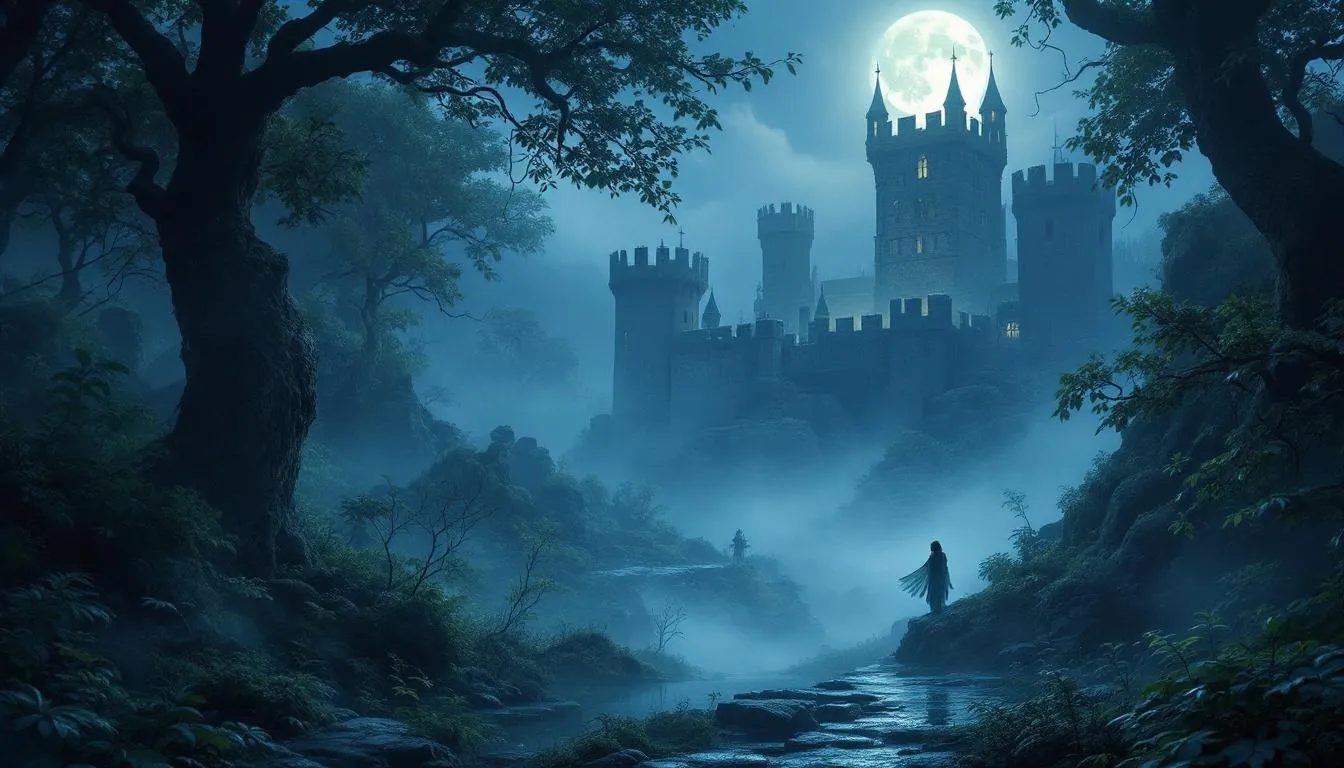
Picture yourself wandering through an enchanted forest or a grand medieval castle. The music in these settings often feels larger than life, filled with mystery and wonder. Stereotypical fantasy music typically features specific scales, modes, and instrumentation that transport listeners to mystical realms and ancient times. It is characterized by exotic scales, rich orchestration, and medieval-inspired instruments that create a magical atmosphere.
To delve deeper into this captivating world, let’s explore the scales and modes that give fantasy music its enchanting sound.
What Scales and Modes Are Commonly Used?
Imagine the Dorian mode as your trusty steed galloping through a misty glen. This mode, with its unique blend of minor and major qualities, is a musical chameleon. It starts on the second degree of a major scale, creating a sound that’s both wistful and adventurous. I remember composing a piece for a local theater production where the protagonist was a courageous knight on a quest. The Dorian mode perfectly captured his spirit—mysterious yet hopeful.
Consider the Mixolydian mode, which carries an exotic touch. Starting on the fifth degree of the major scale, it exudes grandeur with a hint of tension due to its lowered seventh. This mode often appears in fantasy music to evoke heroism and resolve. When I taught film scoring, my students loved using Mixolydian to bring epic landscapes and battles to life. If you’re exploring different scales and chords, a flexible music theory app like Piano Companion can be a valuable tool for identifying and understanding them.
But the fantasy sound palette extends further. The pentatonic scale, with its five-note simplicity, evokes ancient and mystical qualities. It’s a personal favorite for creating themes for enchanted forests or wise, old wizards. Additionally, modal interchange—borrowing chords from parallel scales—adds unexpected twists to compositions, keeping listeners engaged.
As we journey deeper into the realm of fantasy music, consider how these scales and modes invite us into a world where anything is possible. Next, we’ll explore how the choice of instruments further enriches this magical soundscape.
How Does Instrumentation Shape the Sound?
Instrumentation plays a pivotal role in crafting the sound of fantasy music, transporting listeners to magical worlds. Traditional instruments like flutes, lyres, and lutes are the genre’s backbone, each adding a distinct flavor. Flutes, with their airy and ethereal tones, symbolize nature and the mystical, painting images of faeries dancing in moonlit glades. Lyres and lutes, on the other hand, evoke medieval courts and wandering bards, their gentle plucks invoking stories of old.
Orchestral elements further enhance the epic nature of fantasy music. Strings can evoke sweeping landscapes and emotional depth, enveloping listeners in lush harmonies. I once orchestrated a fantasy film score where the string section captured the protagonist’s emotional journey through a perilous world. Bold and powerful, brass commands attention and conveys heroism, perfect for scenes of battle or triumph.
To add exotic and mystical tones, many composers incorporate non-Western instruments. The haunting resonance of a duduk or the rhythmic allure of a tabla introduces listeners to unfamiliar realms, enriching the tapestry of sound. In my experience, these instruments transform compositions, adding layers of intrigue and otherworldliness.
Understanding composition’s role in weaving these elements together unlocks even more magical possibilities as we continue to explore fantasy music.
What Role Does Composition Play?
Crafting fantasy music is like weaving a magical tapestry where every thread counts. Composition holds the key to unlocking the full potential of the musical journey.
The melodic structure often mirrors the winding paths of a mystical forest, with soaring phrases that tell tales of adventure and discovery. Fantasy music frequently uses recurring themes and motifs to create familiarity and continuity. These motifs, like signature phrases in an epic novel, can represent characters, places, or emotions. I once worked on a project where a simple, haunting melody became the heart of the score, representing the ethereal presence of an ancient forest spirit.
Harmonically, fantasy music thrives on progressions that take unexpected turns yet remain grounded in tradition. Open chords and drones provide a sonic foundation that feels both timeless and expansive. In my experience, using open fifths evokes ancient lands, while drones transport listeners to a timeless world.
The rhythm of fantasy music often draws inspiration from medieval dance forms, adding historical authenticity. Rhythmic patterns can vary from the gentle lilt of a pavane to the lively steps of a galliard, painting different scenes on the listener’s mental canvas.
As we delve further into the enchanting realm of fantasy music, we’ll discover how modern composers continue to innovate, breathing new life into these timeless elements to ensure the magic never fades.
How Do Modern Composers Incorporate These Elements?
Modern composers masterfully weave traditional fantasy elements into their music while infusing them with contemporary flair. Take Howard Shore, for instance. His work on “The Lord of the Rings” trilogy is a masterclass in blending ancient sounds with modern orchestration. Shore’s scores are renowned for their use of leitmotifs, recurring musical themes representing characters and settings. This technique creates a rich, immersive experience, bringing Middle-earth alive both visually and sonically.
Jeremy Soule, known for his compositions in the “Elder Scrolls” video game series, takes a slightly different approach. He skillfully merges orchestral music with atmospheric elements, crafting expansive soundscapes that transport players to a realm of dragons and dungeons. Soule often employs lush strings and choir sections to evoke grandeur, but it’s his subtle integration of ambient sounds and textures that sets his work apart, creating an almost tactile experience.
In today’s digital age, technology plays a pivotal role in shaping fantasy music. Composers now have access to a vast array of synthesizers and virtual instruments, enabling experimentation with previously unattainable sounds. These tools allow for hybrid compositions that blend traditional instruments with electronic elements, adding a futuristic twist to the timeless genre of fantasy music.
As we examine how composers innovate and adapt, it becomes clear that the magic of fantasy music continues to evolve, blending old and new to enchant audiences worldwide. This evolution offers insights into the artistry of composition, inviting us to explore further the core elements that define this captivating genre.
Key Takeaways
- Fantasy music draws heavily on specific scales and modes like Dorian and Mixolydian for its enchanting sound.
- Instrumentation often features traditional and orchestral elements, enhancing the magical atmosphere.
- Composition techniques, such as recurring motifs, create a mystical and cohesive musical narrative.
- Experiment with the Dorian and Mixolydian modes to evoke a sense of adventure and wonder.
- Incorporate traditional and non-Western instruments to add unique textures to your compositions.
- Study the works of renowned composers like Howard Shore and Jeremy Soule for inspiration and innovation.
Embark on your own musical quest, blending these timeless elements with your unique voice to create a symphony of fantasy that captivates and inspires.